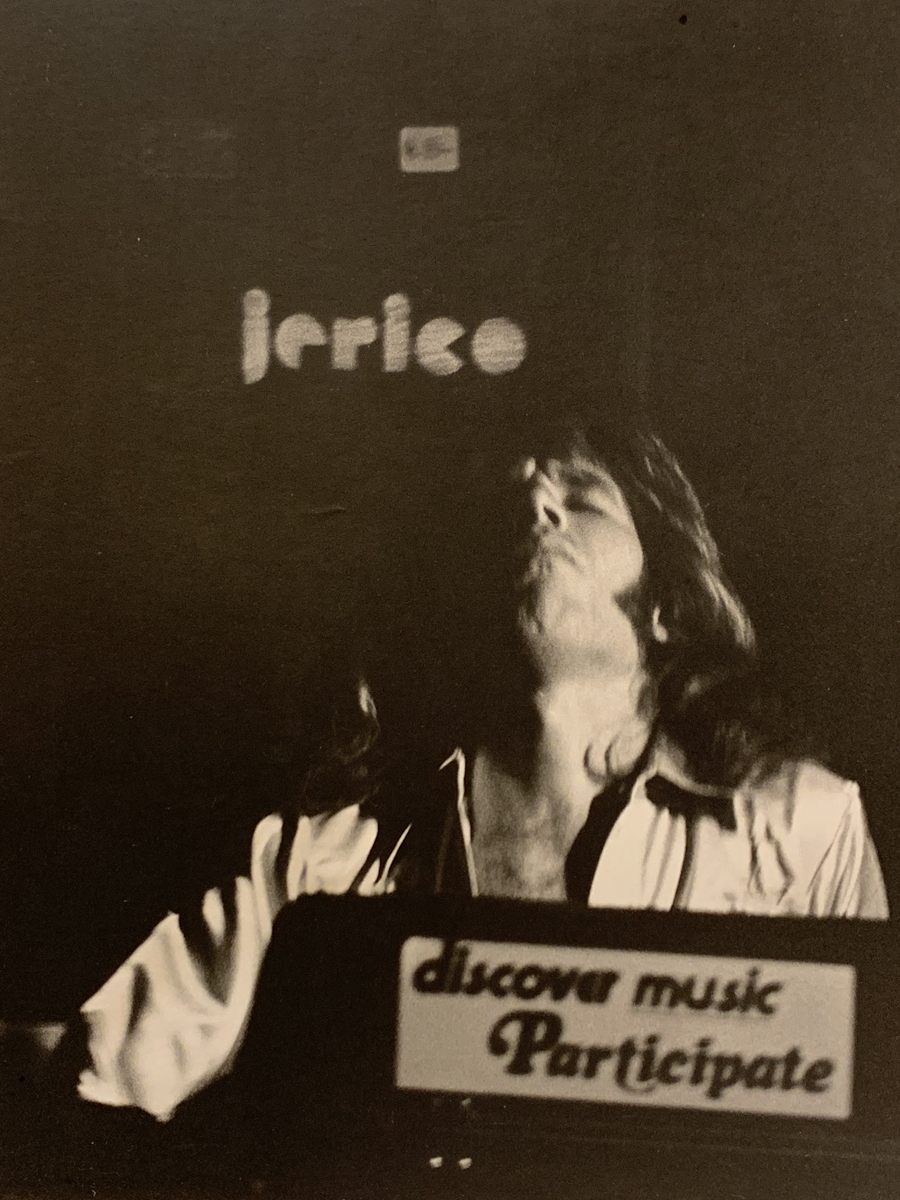
Act I: Rock Star
On the road
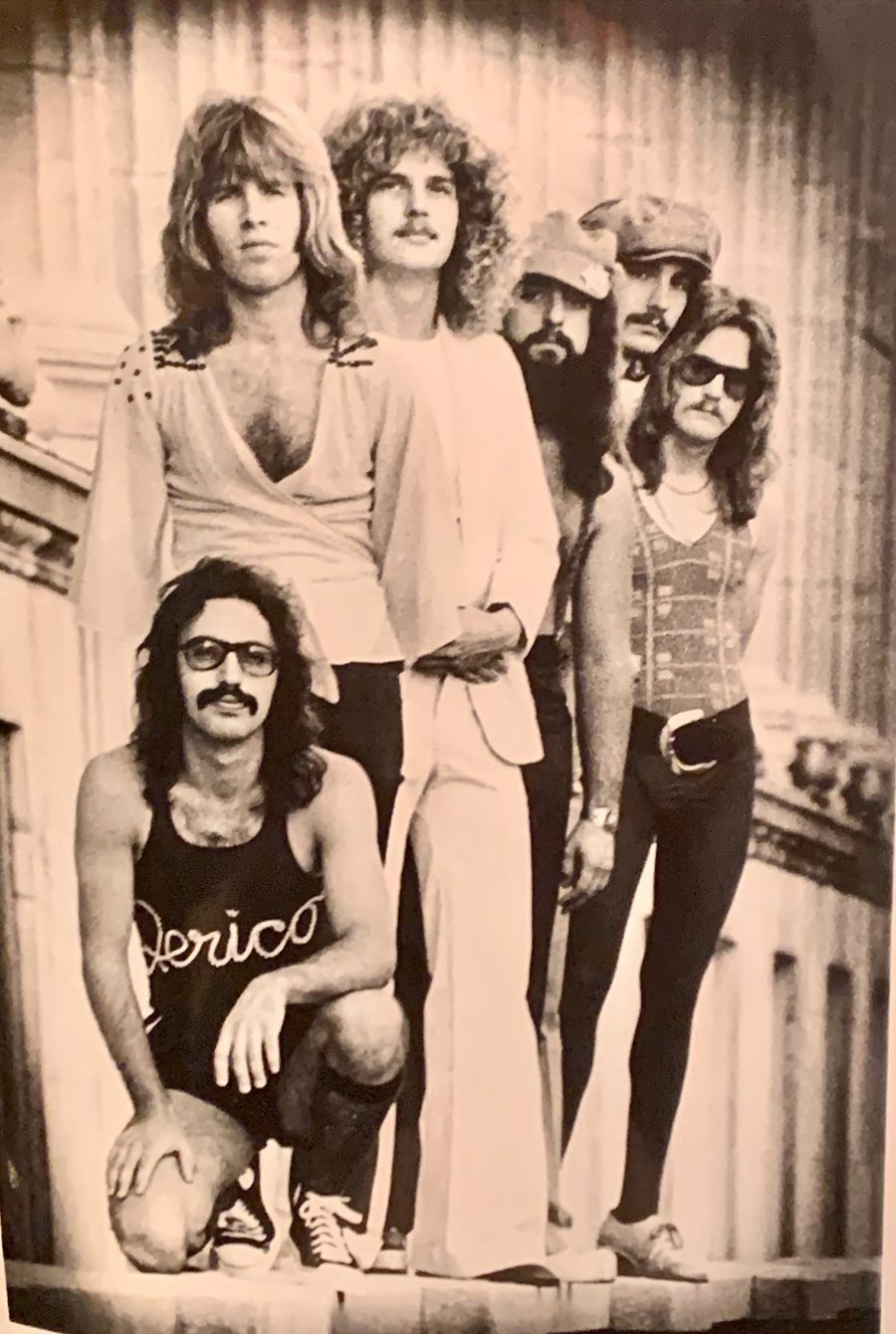
Gregg played keyboards with The American Breed and Jerico, and opened shows for bands like The Doors.
From touring with some of the biggest bands of the 1960s and ’70s to prosecuting murder cases in Chicago’s most corrupt era, Gregg Owen tells true crime from the inside.
135K followers on InstagramGregg’s full video series: courtroom corruption, the cases he tried, and the stories behind them.
I tried 64 jury trials.
61 were murder cases.
My record was 62 and 2.
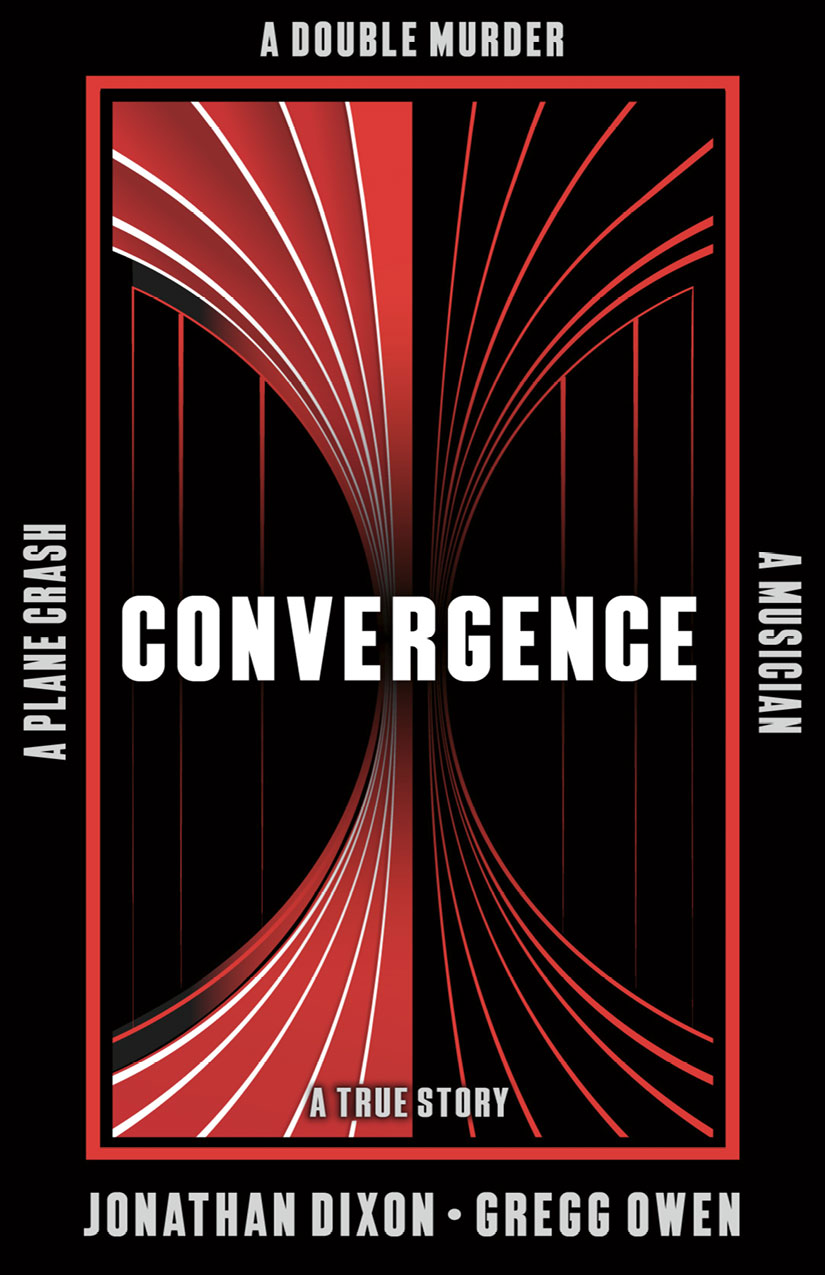
Late-1970s Chicago. Two young people are stabbed to death, there is a single terrified eyewitness, and the defendant has money, power, connections, and the best defense team the prosecution had ever faced. A case that nearly slipped away, told by the prosecutor who lived it.
Gregg played keyboards with The American Breed and Jerico, and opened shows for bands like The Doors.
He tried 64 jury trials, 61 of them murder cases, and became the first Chief of Gang Prosecutions in Illinois history.
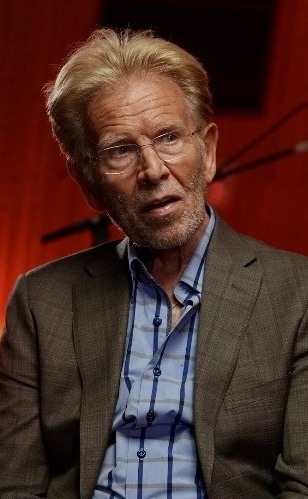
Now Gregg writes true crime from the cases he prosecuted, beginning with Convergence: a double murder that took four years to reach trial.
Drop your email on our secure download page and we’ll send the first three chapters of Convergence straight to your inbox, free.
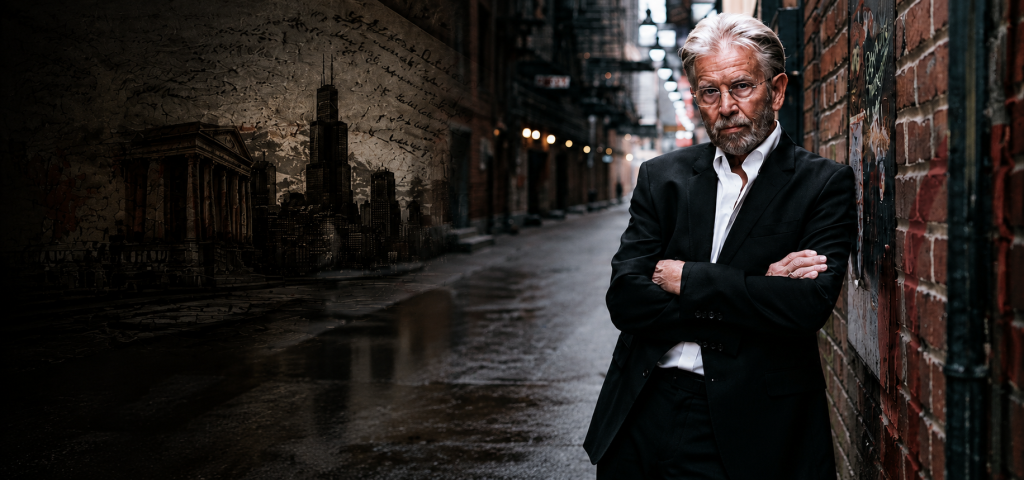
Gregg Owen has lived two completely different lives.
As a teenager he was already playing in touring rock bands. By the late 1960s he was on keyboards with The American Breed, whose hit “Bend Me, Shape Me” sold over a million copies, and he performed across the Midwest, opening shows for bands like The Doors. He also played keyboards with the band Jerico. He kept performing all through law school, alternating semesters between touring with the band and studying law in Chicago.
In early 1976 he spotted a small notice on his law school’s bulletin board: the Cook County State’s Attorney’s Office would be interviewing interns the next day. He cut his long hair, bought his first suit, and applied. That decision changed the course of his life.
As an Assistant State’s Attorney at the Criminal Courts Building at 26th and California, Gregg tried 64 jury trials, 61 of them murder cases, and finished with a record of 62 and 2. In 1981, State’s Attorney Richard M. Daley appointed him the first Chief of Gang Prosecutions in Illinois history, taking on some of Chicago’s most violent criminal organizations. His work put him in the middle of the courthouse corruption that would later lead to the FBI’s historic Operation Greylord investigation.
After leaving prosecution, he built several businesses. He co-founded a group of national automotive magazines and later created a text-messaging platform used by car dealerships across the country, which sold in 2019.
Today he writes true crime drawn from the cases he personally prosecuted. His book Convergence, written with Jonathan Dixon and published in September 2025 by 26th Street Books, tells the story of the Apartment 131 murders: a brutal Chicago double murder that was solved in days but took four years to reach trial.
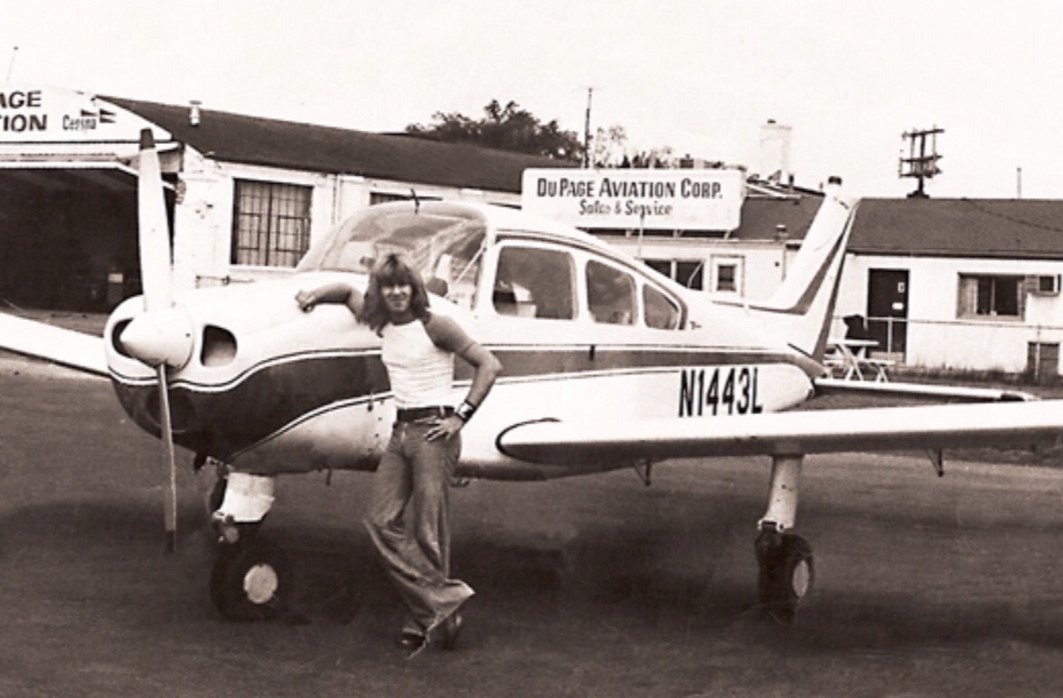
A fast-paced true story of a brutal double murder in late-1970s Chicago, a fairly clear-cut case that was almost closed. Two young people stabbed to death. One terrified eyewitness. A defendant with money, power, the right connections, and a formidable defense team. Told from inside the prosecution by Gregg Owen and rendered with the pace of a thriller by co-author Jonathan Dixon, it reads like fiction, except every word of it happened.
Short-form reels and case breakdowns from a prosecutor who was in the room. Follow along on Instagram.
Gregg’s latest true-crime reels, pulled live from @greggowen26th.
Murder trials, courtroom corruption, and a prosecutor’s view from inside the courtroom. Catch Gregg’s upcoming appearances and listen to past episodes.
New appearances are on the way.
A former Cook County murder prosecutor and the first Chief of Gang Prosecutions in Illinois history, Gregg shares the behind-the-scenes realities of homicide trials, courtroom corruption, and the case at the heart of Convergence, plus the strange path that took him from rock stages to murder prosecutions. Available for podcasts, broadcast, panels, and print.
“I’m not an academic. I was there for all of it. I’ll give your audience the real story.”